Buy smart-frame.eu ?
We are moving the project
smart-frame.eu .
Are you interested in purchasing the domain
smart-frame.eu ?
domain@kv-gmbh.de · 0541-91531010
Buy smart-frame.eu ?
Does DisplayPort 1.2 only display 120 Hz?
No, DisplayPort 1.2 is capable of supporting refresh rates higher than 120 Hz. It can support refresh rates of up to 240 Hz at 1080p resolution, 144 Hz at 1440p resolution, and 75 Hz at 4K resolution. DisplayPort 1.2 also supports variable refresh rates through technologies like AMD FreeSync and Nvidia G-Sync, allowing for smoother and tear-free gaming experiences. **
How can I display DisplayPort on HDMI 6?
To display DisplayPort on HDMI 6, you will need an active DisplayPort to HDMI adapter or cable. Connect the DisplayPort end of the adapter or cable to your device's DisplayPort output, and then connect the HDMI end to the HDMI 6 input on your display or monitor. Make sure to select the HDMI 6 input on your display or monitor to view the content from your device. Keep in mind that not all adapters or cables may support the specific resolution or refresh rate you desire, so it's important to choose one that meets your display requirements. **


Similar search terms for DisplayPort
Top-Angebote
Products related to DisplayPort:
-
DisplayPort 1.4 Cable 2M 8K 60Hz HDR High Speed DisplayPort To DisplayPort Cable 2mExperience sharper visuals and smoother performance with this DisplayPort 1.4 Cable, designed for gamers, professionals, and home entertainment enthusiasts alike. Whether you're connecting a PC to a monitor, projector, or TV, this cable delivers...39,97 $*Shipping: 0,00 $Secure redirect to the provider
-
Onten CS22DP 8K DisplayPort Switch DP 1.4 Bidirectional Display Switch Onten CS22DP 8K DisplayPort Switch DP 1.4 Bidirectional Display SwitchEnjoy seamless screen switching without sacrificing picture quality. The Onten CS22DP DisplayPort switch is designed for gamers, professionals, and content creators who need quick access between multiple devices or displays. Supporting up to 8K...44,97 $*Shipping: 0,00 $Secure redirect to the provider
-
Mini DisplayPort To HDMI DVI DisplayPort Adapter For Mac Apple White Mini DisplayPort To HDMI DVI DisplayPort Adapter For Mac Apple WhiteSeamlessly connect your Apple devices to external displays without compatibility stress or signal loss. This Mini DisplayPort to HDMI adapter is built to deliver stable, highquality video output for work, streaming, and presentations. It gives Mac...39,97 $*Shipping: 0,00 $Secure redirect to the provider


-
How can I display DisplayPort on HDMI 4?
To display DisplayPort on HDMI 4, you will need an active DisplayPort to HDMI adapter or cable. Connect the DisplayPort end to your computer and the HDMI end to the HDMI 4 input on your display or TV. Once connected, select the HDMI 4 input on your display or TV using the remote control or the input button on the display. Your computer's display should now be mirrored or extended on the HDMI 4 screen. **
-
What is better: HDMI, DisplayPort, or Mini DisplayPort?
The choice between HDMI, DisplayPort, and Mini DisplayPort depends on your specific needs. HDMI is the most common and widely supported option, making it great for connecting to TVs and monitors. DisplayPort offers higher bandwidth and is better suited for high-resolution displays and multiple monitor setups. Mini DisplayPort is a smaller version of DisplayPort and is commonly found on Apple devices. Ultimately, the best option for you will depend on your specific requirements and the devices you are connecting. **
-
Does a DisplayPort 1.4a fit into a DisplayPort 1.4 DSC?
Yes, a DisplayPort 1.4a is compatible with a DisplayPort 1.4 DSC (Display Stream Compression). DisplayPort 1.4a is an updated version of the DisplayPort 1.4 standard, and it includes support for DSC. DSC is a visually lossless compression technology that allows for higher resolutions, refresh rates, and color depths over a DisplayPort connection. Therefore, a DisplayPort 1.4a can fit into a DisplayPort 1.4 DSC and take advantage of the compression technology for improved display performance. **
-
Does a DisplayPort 1.4a fit in a DisplayPort 1.4 DSC?
Yes, a DisplayPort 1.4a is compatible with a DisplayPort 1.4 DSC (Display Stream Compression). DisplayPort 1.4a is an updated version of the DisplayPort 1.4 standard, which includes support for new features and improvements. DisplayPort 1.4 DSC is a feature within the DisplayPort 1.4 standard that enables visually lossless compression for higher resolutions and refresh rates. Therefore, a DisplayPort 1.4a device can utilize the DisplayPort 1.4 DSC feature for enhanced display capabilities. **

What is the correct designation for connecting DisplayPort to Mini DisplayPort?
The correct designation for connecting DisplayPort to Mini DisplayPort is simply a DisplayPort to Mini DisplayPort cable or adapter. This allows you to connect a device with a standard DisplayPort output to a device with a Mini DisplayPort input, such as connecting a computer to a monitor or projector. It is important to ensure that the cable or adapter is compatible with the specific versions of DisplayPort and Mini DisplayPort being used. **
What is the correct term for connecting DisplayPort to Mini DisplayPort?
The correct term for connecting DisplayPort to Mini DisplayPort is a DisplayPort to Mini DisplayPort cable or adapter. This type of cable or adapter allows you to connect devices with a DisplayPort output to devices with a Mini DisplayPort input, enabling you to transmit audio and video signals between the two devices. It is important to ensure compatibility between the devices and the cable or adapter to ensure proper functionality. **
Top-Angebote
Products related to DisplayPort:
-
MicroConnect DP DisplayPort Dummy Plug, Virtual Display Adapter, DisplayPort 1.2 Male, Black (DISPLAYPORT-DUMMY1)MicroConnect DisplayPort dummy plug (DISPLAYPORT-DUMMY1). A virtual display adapter with a DisplayPort 1.2 male connector that makes a computer detect a connected monitor, supporting up to 2560 x 1600 at 60Hz. Black.28,49 £*Shipping: 0,00 £Secure redirect to the provider
-
DisplayPort 1.4 Cable 2M 8K 60Hz HDR High Speed DisplayPort To DisplayPort Cable 2mExperience sharper visuals and smoother performance with this DisplayPort 1.4 Cable, designed for gamers, professionals, and home entertainment enthusiasts alike. Whether you're connecting a PC to a monitor, projector, or TV, this cable delivers...39,97 $*Shipping: 0,00 $Secure redirect to the provider
-
Does DisplayPort 1.2 only display 120 Hz?
No, DisplayPort 1.2 is capable of supporting refresh rates higher than 120 Hz. It can support refresh rates of up to 240 Hz at 1080p resolution, 144 Hz at 1440p resolution, and 75 Hz at 4K resolution. DisplayPort 1.2 also supports variable refresh rates through technologies like AMD FreeSync and Nvidia G-Sync, allowing for smoother and tear-free gaming experiences. **
-
How can I display DisplayPort on HDMI 6?
To display DisplayPort on HDMI 6, you will need an active DisplayPort to HDMI adapter or cable. Connect the DisplayPort end of the adapter or cable to your device's DisplayPort output, and then connect the HDMI end to the HDMI 6 input on your display or monitor. Make sure to select the HDMI 6 input on your display or monitor to view the content from your device. Keep in mind that not all adapters or cables may support the specific resolution or refresh rate you desire, so it's important to choose one that meets your display requirements. **
-
How can I display DisplayPort on HDMI 4?
To display DisplayPort on HDMI 4, you will need an active DisplayPort to HDMI adapter or cable. Connect the DisplayPort end to your computer and the HDMI end to the HDMI 4 input on your display or TV. Once connected, select the HDMI 4 input on your display or TV using the remote control or the input button on the display. Your computer's display should now be mirrored or extended on the HDMI 4 screen. **
-
What is better: HDMI, DisplayPort, or Mini DisplayPort?
The choice between HDMI, DisplayPort, and Mini DisplayPort depends on your specific needs. HDMI is the most common and widely supported option, making it great for connecting to TVs and monitors. DisplayPort offers higher bandwidth and is better suited for high-resolution displays and multiple monitor setups. Mini DisplayPort is a smaller version of DisplayPort and is commonly found on Apple devices. Ultimately, the best option for you will depend on your specific requirements and the devices you are connecting. **
Similar search terms for DisplayPort
-
Onten CS22DP 8K DisplayPort Switch DP 1.4 Bidirectional Display Switch Onten CS22DP 8K DisplayPort Switch DP 1.4 Bidirectional Display SwitchEnjoy seamless screen switching without sacrificing picture quality. The Onten CS22DP DisplayPort switch is designed for gamers, professionals, and content creators who need quick access between multiple devices or displays. Supporting up to 8K...44,97 $*Shipping: 0,00 $Secure redirect to the provider
-
Mini DisplayPort To HDMI DVI DisplayPort Adapter For Mac Apple White Mini DisplayPort To HDMI DVI DisplayPort Adapter For Mac Apple WhiteSeamlessly connect your Apple devices to external displays without compatibility stress or signal loss. This Mini DisplayPort to HDMI adapter is built to deliver stable, highquality video output for work, streaming, and presentations. It gives Mac...39,97 $*Shipping: 0,00 $Secure redirect to the provider
-
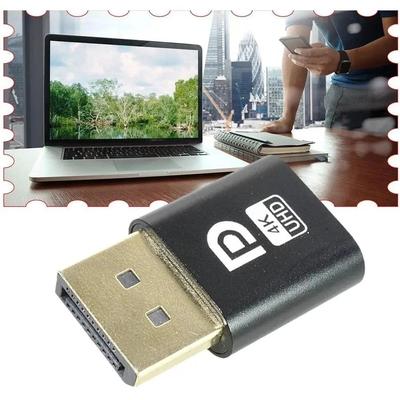
4K DisplayPort Dummy Plug Virtual Display Adapter For Headless PC Setup 4K DisplayPort Dummy Plug Virtual Display Adapter For Headless PC SetupBring your headless setup to life without the hassle. This 1 pc of virtual display adapter is made for users who need a fast, simple way to simulate an active monitor on a PC or graphics card. Ideal for remote desktop setups, testing stations, and...29,97 $*Shipping: 0,00 $Secure redirect to the provider
-
Does a DisplayPort 1.4a fit into a DisplayPort 1.4 DSC?
Yes, a DisplayPort 1.4a is compatible with a DisplayPort 1.4 DSC (Display Stream Compression). DisplayPort 1.4a is an updated version of the DisplayPort 1.4 standard, and it includes support for DSC. DSC is a visually lossless compression technology that allows for higher resolutions, refresh rates, and color depths over a DisplayPort connection. Therefore, a DisplayPort 1.4a can fit into a DisplayPort 1.4 DSC and take advantage of the compression technology for improved display performance. **
-
Does a DisplayPort 1.4a fit in a DisplayPort 1.4 DSC?
Yes, a DisplayPort 1.4a is compatible with a DisplayPort 1.4 DSC (Display Stream Compression). DisplayPort 1.4a is an updated version of the DisplayPort 1.4 standard, which includes support for new features and improvements. DisplayPort 1.4 DSC is a feature within the DisplayPort 1.4 standard that enables visually lossless compression for higher resolutions and refresh rates. Therefore, a DisplayPort 1.4a device can utilize the DisplayPort 1.4 DSC feature for enhanced display capabilities. **
-
What is the correct designation for connecting DisplayPort to Mini DisplayPort?
The correct designation for connecting DisplayPort to Mini DisplayPort is simply a DisplayPort to Mini DisplayPort cable or adapter. This allows you to connect a device with a standard DisplayPort output to a device with a Mini DisplayPort input, such as connecting a computer to a monitor or projector. It is important to ensure that the cable or adapter is compatible with the specific versions of DisplayPort and Mini DisplayPort being used. **
-
What is the correct term for connecting DisplayPort to Mini DisplayPort?
The correct term for connecting DisplayPort to Mini DisplayPort is a DisplayPort to Mini DisplayPort cable or adapter. This type of cable or adapter allows you to connect devices with a DisplayPort output to devices with a Mini DisplayPort input, enabling you to transmit audio and video signals between the two devices. It is important to ensure compatibility between the devices and the cable or adapter to ensure proper functionality. **
* All prices are inclusive of VAT and, if applicable, plus shipping costs. The offer information is based on the details provided by the respective shop and is updated through automated processes. Real-time updates do not occur, so deviations can occur in individual cases. ** Note: Parts of this content were created by AI.