Buy smart-frame.eu ?
We are moving the project
smart-frame.eu .
Are you interested in purchasing the domain
smart-frame.eu ?
domain@kv-gmbh.de · 0541-91531010
Buy smart-frame.eu ?
How do non-homologous recombination and homologous recombination work?
Non-homologous recombination involves the joining of two DNA molecules at non-homologous sequences, resulting in the insertion, deletion, or rearrangement of genetic material. This process is often error-prone and can lead to mutations. Homologous recombination, on the other hand, involves the exchange of genetic material between two similar DNA molecules, typically occurring during meiosis. This process is important for repairing DNA damage and ensuring genetic diversity. It involves the exchange of genetic material between homologous chromosomes, resulting in the formation of new combinations of genes. **
What is the difference between interchromosomal recombination and intrachromosomal recombination?
Interchromosomal recombination involves the exchange of genetic material between two different chromosomes, while intrachromosomal recombination involves the exchange of genetic material within the same chromosome. Interchromosomal recombination can result in the creation of new combinations of genes from different chromosomes, leading to genetic diversity. In contrast, intrachromosomal recombination can lead to the repair of DNA damage or the creation of genetic variation within the same chromosome. Both processes are important for genetic diversity and evolution. **


Similar search terms for Recombination
Top-Angebote
Products related to Recombination:
-
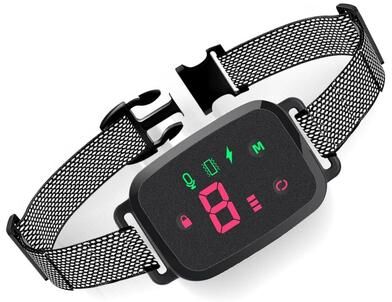
Uplift Picks CalmCue Smart Automatic Bark Collar With Digital Display blackCalmCue Smart Automatic Bark Collar with Digital DisplayBring more calm to daily routines with handsfree bark detection. CalmCue is an automatic bark collar with four selectable modes and no remote. Made for supervised training, this rechargeable...177,98 $*Shipping: 0,00 $Secure redirect to the provider
-
Daily Discovery LED Digital Wall Clock Temperature Display Smart Modern Wall Clock For Home Bedroom b1 RechargeableUpgrade your space with a stylish time display that blends function and modern design. This LED digital wall clock offers clear time visibility, temperature updates, and date information, making it a practical addition for homes, offices, and...143,97 $*Shipping: 0,00 $Secure redirect to the provider
-
Happy Pet Pantry LumiTrim Pro LED Pet Nail Clipper And Grinder With Smart Digital Display LumiTrim Pro LED Pet Nail Clipper And Grinder With Smart Digital DisplayTrimming your furry friend's nails shouldn't feel like a highstakes guessing game filled with anxiety for both of you. The LumiTrim Pro is an innovative, rechargeable grooming tool designed specifically for pet parents who want a stressfree way to...104,97 $*Shipping: 0,00 $Secure redirect to the provider
-
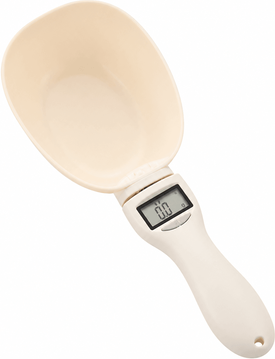
Clever Finds Smart Digital Pet Food Scoop Scale With LED Display For Dogs And Cats Smart Digital Pet Food Scoop Scale With LED Display For Dogs And CatsMake every meal easier to portion with a digital pet food scoop designed to weigh food as you serve it. This 1 pc of convenient pet food scale helps dog and cat owners measure consistent portions without reaching for a separate kitchen scale. The...31,97 $*Shipping: 0,00 $Secure redirect to the provider


-
What is the difference between intrachromosomal recombination and interchromosomal recombination?
Intrachromosomal recombination occurs between two different regions of the same chromosome, leading to the exchange of genetic material within the same chromosome. On the other hand, interchromosomal recombination involves the exchange of genetic material between two different chromosomes. Intrachromosomal recombination can lead to the creation of genetic diversity within a single chromosome, while interchromosomal recombination can result in the exchange of genetic material between different chromosomes, leading to genetic diversity among different chromosomes. **
-
What is recombination in biology?
Recombination in biology refers to the process by which genetic material from two different sources is combined to produce a new combination of genes. This can occur through sexual reproduction, where genetic material from two parents is combined to create offspring with a unique genetic makeup. Recombination plays a crucial role in generating genetic diversity within populations, which is important for evolution and adaptation to changing environments. In organisms that reproduce sexually, recombination occurs during meiosis, where homologous chromosomes exchange genetic material through a process called crossing over. **
-
How does crossing-over influence recombination?
Crossing-over is a process during meiosis where homologous chromosomes exchange genetic material. This exchange of genetic material results in new combinations of alleles on the chromosomes, leading to genetic recombination. By shuffling genetic material between homologous chromosomes, crossing-over increases genetic diversity in offspring and can result in the creation of new combinations of traits. This process is essential for generating genetic variation within a population and plays a crucial role in evolution. **
-
What is recombination and genetic variability?
Recombination is the process by which genetic material is exchanged between two similar molecules of DNA, resulting in new combinations of genes. This process occurs during meiosis, the cell division that produces gametes (sperm and egg cells). Genetic variability refers to the diversity of genetic material within a population, which is influenced by factors such as recombination, mutations, and gene flow. Recombination plays a key role in generating genetic variability by creating new combinations of genes, which can lead to increased diversity and adaptation within a population. **


How many offspring are produced through recombination?
Recombination typically results in two offspring being produced. This is because during recombination, genetic material from two parent organisms is combined to create a new individual with a unique combination of traits. This process allows for genetic diversity and variation within a population. **
When does disproportionation occur instead of recombination?
Disproportionation occurs when a single species is both oxidized and reduced in a reaction, leading to the formation of two different products with different oxidation states. This process typically occurs when the species involved can exist in multiple oxidation states and there is no suitable reactant available for recombination. In contrast, recombination occurs when two species with different oxidation states combine to form a single product with an intermediate oxidation state. **
Top-Angebote
Products related to Recombination:
-
StayWell Innovative Anti Fungal Laser Pen With Cutting Edge Fungal Infections Removal And Safe for Skin Technology Innovative Anti Fungal Laser Pen With Cutting Edge Fungal Infections Removal And Safe for Skin TechnologyDo you avoid going barefoot or wearing sandals because of your unsightly nails If so, our AntiFungal Laser Pen is the solution you've been looking for. Our laser pen combines the power of the infrared pulsed laser and blue light to exterminate...20,97 $*Shipping: 0,00 $Secure redirect to the provider
-
eufy Smart Home Bundle + Smart Display E10 WhiteSee Everything with Four Views on One Screen Includes: SoloCam S340, IndoorCam S350, Floodlight Cam E340, FamiLock S3 Max and Smart Display E10. SoloCam S340: Enhanced Dual-Camera Clarity. Capture every event around your home in ultra-clear 3K...959,95 $*Shipping: 0,00 $Secure redirect to the provider
-
Uplift Picks CalmCue Smart Automatic Bark Collar With Digital Display blackCalmCue Smart Automatic Bark Collar with Digital DisplayBring more calm to daily routines with handsfree bark detection. CalmCue is an automatic bark collar with four selectable modes and no remote. Made for supervised training, this rechargeable...177,98 $*Shipping: 0,00 $Secure redirect to the provider
-
Daily Discovery LED Digital Wall Clock Temperature Display Smart Modern Wall Clock For Home Bedroom b1 RechargeableUpgrade your space with a stylish time display that blends function and modern design. This LED digital wall clock offers clear time visibility, temperature updates, and date information, making it a practical addition for homes, offices, and...143,97 $*Shipping: 0,00 $Secure redirect to the provider
-
How do non-homologous recombination and homologous recombination work?
Non-homologous recombination involves the joining of two DNA molecules at non-homologous sequences, resulting in the insertion, deletion, or rearrangement of genetic material. This process is often error-prone and can lead to mutations. Homologous recombination, on the other hand, involves the exchange of genetic material between two similar DNA molecules, typically occurring during meiosis. This process is important for repairing DNA damage and ensuring genetic diversity. It involves the exchange of genetic material between homologous chromosomes, resulting in the formation of new combinations of genes. **
-
What is the difference between interchromosomal recombination and intrachromosomal recombination?
Interchromosomal recombination involves the exchange of genetic material between two different chromosomes, while intrachromosomal recombination involves the exchange of genetic material within the same chromosome. Interchromosomal recombination can result in the creation of new combinations of genes from different chromosomes, leading to genetic diversity. In contrast, intrachromosomal recombination can lead to the repair of DNA damage or the creation of genetic variation within the same chromosome. Both processes are important for genetic diversity and evolution. **
-
What is the difference between intrachromosomal recombination and interchromosomal recombination?
Intrachromosomal recombination occurs between two different regions of the same chromosome, leading to the exchange of genetic material within the same chromosome. On the other hand, interchromosomal recombination involves the exchange of genetic material between two different chromosomes. Intrachromosomal recombination can lead to the creation of genetic diversity within a single chromosome, while interchromosomal recombination can result in the exchange of genetic material between different chromosomes, leading to genetic diversity among different chromosomes. **
-
What is recombination in biology?
Recombination in biology refers to the process by which genetic material from two different sources is combined to produce a new combination of genes. This can occur through sexual reproduction, where genetic material from two parents is combined to create offspring with a unique genetic makeup. Recombination plays a crucial role in generating genetic diversity within populations, which is important for evolution and adaptation to changing environments. In organisms that reproduce sexually, recombination occurs during meiosis, where homologous chromosomes exchange genetic material through a process called crossing over. **
Similar search terms for Recombination
-
Happy Pet Pantry LumiTrim Pro LED Pet Nail Clipper And Grinder With Smart Digital Display LumiTrim Pro LED Pet Nail Clipper And Grinder With Smart Digital DisplayTrimming your furry friend's nails shouldn't feel like a highstakes guessing game filled with anxiety for both of you. The LumiTrim Pro is an innovative, rechargeable grooming tool designed specifically for pet parents who want a stressfree way to...104,97 $*Shipping: 0,00 $Secure redirect to the provider
-
Clever Finds Smart Digital Pet Food Scoop Scale With LED Display For Dogs And Cats Smart Digital Pet Food Scoop Scale With LED Display For Dogs And CatsMake every meal easier to portion with a digital pet food scoop designed to weigh food as you serve it. This 1 pc of convenient pet food scale helps dog and cat owners measure consistent portions without reaching for a separate kitchen scale. The...31,97 $*Shipping: 0,00 $Secure redirect to the provider
-
Uplift Picks CalmCue Smart Automatic Bark Collar With Digital Display whiteCalmCue Smart Automatic Bark Collar with Digital DisplayBring more calm to daily routines with handsfree bark detection. CalmCue is an automatic bark collar with four selectable modes and no remote. Made for supervised training, this rechargeable...177,98 $*Shipping: 0,00 $Secure redirect to the provider
-
Daily Discovery LED Digital Wall Clock Temperature Display Smart Modern Wall Clock For Home Bedroom a1 RechargeableUpgrade your space with a stylish time display that blends function and modern design. This LED digital wall clock offers clear time visibility, temperature updates, and date information, making it a practical addition for homes, offices, and...144,97 $*Shipping: 0,00 $Secure redirect to the provider
-
How does crossing-over influence recombination?
Crossing-over is a process during meiosis where homologous chromosomes exchange genetic material. This exchange of genetic material results in new combinations of alleles on the chromosomes, leading to genetic recombination. By shuffling genetic material between homologous chromosomes, crossing-over increases genetic diversity in offspring and can result in the creation of new combinations of traits. This process is essential for generating genetic variation within a population and plays a crucial role in evolution. **
-
What is recombination and genetic variability?
Recombination is the process by which genetic material is exchanged between two similar molecules of DNA, resulting in new combinations of genes. This process occurs during meiosis, the cell division that produces gametes (sperm and egg cells). Genetic variability refers to the diversity of genetic material within a population, which is influenced by factors such as recombination, mutations, and gene flow. Recombination plays a key role in generating genetic variability by creating new combinations of genes, which can lead to increased diversity and adaptation within a population. **
-
How many offspring are produced through recombination?
Recombination typically results in two offspring being produced. This is because during recombination, genetic material from two parent organisms is combined to create a new individual with a unique combination of traits. This process allows for genetic diversity and variation within a population. **
-
When does disproportionation occur instead of recombination?
Disproportionation occurs when a single species is both oxidized and reduced in a reaction, leading to the formation of two different products with different oxidation states. This process typically occurs when the species involved can exist in multiple oxidation states and there is no suitable reactant available for recombination. In contrast, recombination occurs when two species with different oxidation states combine to form a single product with an intermediate oxidation state. **
* All prices are inclusive of VAT and, if applicable, plus shipping costs. The offer information is based on the details provided by the respective shop and is updated through automated processes. Real-time updates do not occur, so deviations can occur in individual cases. ** Note: Parts of this content were created by AI.