Buy smart-frame.eu ?
We are moving the project
smart-frame.eu .
Are you interested in purchasing the domain
smart-frame.eu ?
domain@kv-gmbh.de · 0541-91531010
Buy smart-frame.eu ?
How to create a titration curve of a conductivity titration?
To create a titration curve of a conductivity titration, you would first need to set up your titration apparatus with a conductivity meter. Begin by measuring the initial conductivity of the solution being titrated. As you add titrant incrementally, record the conductivity at each point. Plot the conductivity values against the volume of titrant added to create a titration curve. The curve will typically show a sharp increase in conductivity at the equivalence point, allowing you to determine the endpoint of the titration. **
How does a titration with the degree of titration work?
A titration with the degree of titration works by gradually adding a titrant of known concentration to a solution of the analyte until the reaction between the two is complete. The point at which the reaction is complete is determined by using an indicator or a pH meter. The amount of titrant required to reach this point is used to calculate the concentration of the analyte in the original solution. The degree of titration refers to the extent to which the reaction has progressed and is typically expressed as a percentage. **


Similar search terms for Titration
Top-Angebote
Products related to Titration:
-
Daily Discovery LED Digital Wall Clock Temperature Display Smart Modern Wall Clock For Home Bedroom a1 RechargeableUpgrade your space with a stylish time display that blends function and modern design. This LED digital wall clock offers clear time visibility, temperature updates, and date information, making it a practical addition for homes, offices, and...144,97 $*Shipping: 0,00 $Secure redirect to the provider
-
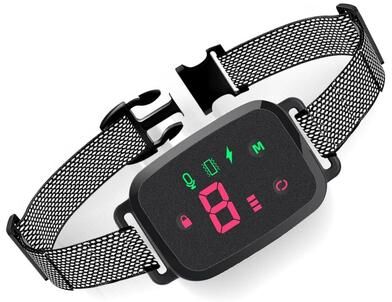
Uplift Picks CalmCue Smart Automatic Bark Collar With Digital Display blackCalmCue Smart Automatic Bark Collar with Digital DisplayBring more calm to daily routines with handsfree bark detection. CalmCue is an automatic bark collar with four selectable modes and no remote. Made for supervised training, this rechargeable...177,98 $*Shipping: 0,00 $Secure redirect to the provider
-
Happy Pet Pantry LumiTrim Pro LED Pet Nail Clipper And Grinder With Smart Digital Display LumiTrim Pro LED Pet Nail Clipper And Grinder With Smart Digital DisplayTrimming your furry friend's nails shouldn't feel like a highstakes guessing game filled with anxiety for both of you. The LumiTrim Pro is an innovative, rechargeable grooming tool designed specifically for pet parents who want a stressfree way to...104,97 $*Shipping: 0,00 $Secure redirect to the provider
-
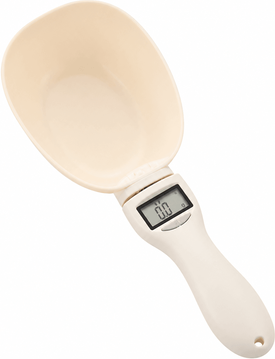
Clever Finds Smart Digital Pet Food Scoop Scale With LED Display For Dogs And Cats Smart Digital Pet Food Scoop Scale With LED Display For Dogs And CatsMake every meal easier to portion with a digital pet food scoop designed to weigh food as you serve it. This 1 pc of convenient pet food scale helps dog and cat owners measure consistent portions without reaching for a separate kitchen scale. The...31,97 $*Shipping: 0,00 $Secure redirect to the provider


-
How does titration work?
Titration is a technique used in chemistry to determine the concentration of a specific substance in a solution. It involves slowly adding a solution of known concentration (titrant) to a solution of unknown concentration until the reaction between the two is complete. This is typically indicated by a color change or other observable change. By measuring the volume of titrant required to reach the endpoint, the concentration of the unknown solution can be calculated using stoichiometry. **
-
What is a titration?
A titration is a laboratory technique used to determine the concentration of a specific substance in a solution. It involves slowly adding a solution of known concentration (titrant) to a solution of unknown concentration until the reaction between the two is complete. The point at which the reaction is complete is called the equivalence point, which is used to calculate the concentration of the unknown solution. Titration is commonly used in chemistry for various purposes, such as determining the acidity or alkalinity of a solution. **
-
Can the titration volume be calculated without having performed the titration beforehand?
No, the titration volume cannot be accurately calculated without having performed the titration beforehand. The titration volume is determined by the amount of titrant needed to reach the equivalence point, which can only be determined through the actual titration process. The titration volume is a crucial parameter in determining the concentration of the analyte in the sample, so it is essential to perform the titration to obtain this information accurately. **
-
What does a titration curve look like when no titration is performed?
When no titration is performed, a titration curve would simply be a straight horizontal line at the initial pH of the solution being tested. This is because there would be no addition of titrant to cause any changes in pH. The curve would remain flat and unchanging until a titrant is added to initiate the titration process. **


What is the difference between a pH-metric titration and an indicator titration?
A pH-metric titration involves the use of a pH meter to measure the pH of a solution as a titrant is added to it. This allows for a precise determination of the equivalence point of the titration. On the other hand, an indicator titration uses a chemical indicator that changes color at or near the equivalence point to signal the end of the titration. While pH-metric titrations provide more accurate and precise results, indicator titrations are simpler and more commonly used in introductory chemistry labs. **
What is a back titration?
A back titration is a technique used in analytical chemistry to determine the concentration of an analyte that reacts slowly or incompletely with a direct titration method. It involves adding an excess of a known reagent to the analyte, allowing the reaction to proceed, and then titrating the excess reagent that did not react with a second titrant. By measuring the amount of the second titrant required to react with the excess reagent, the concentration of the analyte can be calculated. Back titrations are particularly useful when the analyte is volatile, weakly acidic or basic, or when there are interfering substances present. **
Top-Angebote
Products related to Titration:
-
StayWell Innovative Anti Fungal Laser Pen With Cutting Edge Fungal Infections Removal And Safe for Skin Technology Innovative Anti Fungal Laser Pen With Cutting Edge Fungal Infections Removal And Safe for Skin TechnologyDo you avoid going barefoot or wearing sandals because of your unsightly nails If so, our AntiFungal Laser Pen is the solution you've been looking for. Our laser pen combines the power of the infrared pulsed laser and blue light to exterminate...20,97 $*Shipping: 0,00 $Secure redirect to the provider
-
eufy Smart Home Bundle + Smart Display E10 WhiteSee Everything with Four Views on One Screen Includes: SoloCam S340, IndoorCam S350, Floodlight Cam E340, FamiLock S3 Max and Smart Display E10. SoloCam S340: Enhanced Dual-Camera Clarity. Capture every event around your home in ultra-clear 3K...959,95 $*Shipping: 0,00 $Secure redirect to the provider
-
Daily Discovery LED Digital Wall Clock Temperature Display Smart Modern Wall Clock For Home Bedroom a1 RechargeableUpgrade your space with a stylish time display that blends function and modern design. This LED digital wall clock offers clear time visibility, temperature updates, and date information, making it a practical addition for homes, offices, and...144,97 $*Shipping: 0,00 $Secure redirect to the provider
-
Uplift Picks CalmCue Smart Automatic Bark Collar With Digital Display blackCalmCue Smart Automatic Bark Collar with Digital DisplayBring more calm to daily routines with handsfree bark detection. CalmCue is an automatic bark collar with four selectable modes and no remote. Made for supervised training, this rechargeable...177,98 $*Shipping: 0,00 $Secure redirect to the provider
-
How to create a titration curve of a conductivity titration?
To create a titration curve of a conductivity titration, you would first need to set up your titration apparatus with a conductivity meter. Begin by measuring the initial conductivity of the solution being titrated. As you add titrant incrementally, record the conductivity at each point. Plot the conductivity values against the volume of titrant added to create a titration curve. The curve will typically show a sharp increase in conductivity at the equivalence point, allowing you to determine the endpoint of the titration. **
-
How does a titration with the degree of titration work?
A titration with the degree of titration works by gradually adding a titrant of known concentration to a solution of the analyte until the reaction between the two is complete. The point at which the reaction is complete is determined by using an indicator or a pH meter. The amount of titrant required to reach this point is used to calculate the concentration of the analyte in the original solution. The degree of titration refers to the extent to which the reaction has progressed and is typically expressed as a percentage. **
-
How does titration work?
Titration is a technique used in chemistry to determine the concentration of a specific substance in a solution. It involves slowly adding a solution of known concentration (titrant) to a solution of unknown concentration until the reaction between the two is complete. This is typically indicated by a color change or other observable change. By measuring the volume of titrant required to reach the endpoint, the concentration of the unknown solution can be calculated using stoichiometry. **
-
What is a titration?
A titration is a laboratory technique used to determine the concentration of a specific substance in a solution. It involves slowly adding a solution of known concentration (titrant) to a solution of unknown concentration until the reaction between the two is complete. The point at which the reaction is complete is called the equivalence point, which is used to calculate the concentration of the unknown solution. Titration is commonly used in chemistry for various purposes, such as determining the acidity or alkalinity of a solution. **
Similar search terms for Titration
-
Happy Pet Pantry LumiTrim Pro LED Pet Nail Clipper And Grinder With Smart Digital Display LumiTrim Pro LED Pet Nail Clipper And Grinder With Smart Digital DisplayTrimming your furry friend's nails shouldn't feel like a highstakes guessing game filled with anxiety for both of you. The LumiTrim Pro is an innovative, rechargeable grooming tool designed specifically for pet parents who want a stressfree way to...104,97 $*Shipping: 0,00 $Secure redirect to the provider
-
Clever Finds Smart Digital Pet Food Scoop Scale With LED Display For Dogs And Cats Smart Digital Pet Food Scoop Scale With LED Display For Dogs And CatsMake every meal easier to portion with a digital pet food scoop designed to weigh food as you serve it. This 1 pc of convenient pet food scale helps dog and cat owners measure consistent portions without reaching for a separate kitchen scale. The...31,97 $*Shipping: 0,00 $Secure redirect to the provider
-
Daily Discovery LED Digital Wall Clock Temperature Display Smart Modern Wall Clock For Home Bedroom b1 RechargeableUpgrade your space with a stylish time display that blends function and modern design. This LED digital wall clock offers clear time visibility, temperature updates, and date information, making it a practical addition for homes, offices, and...143,97 $*Shipping: 0,00 $Secure redirect to the provider
-
Uplift Picks CalmCue Smart Automatic Bark Collar With Digital Display whiteCalmCue Smart Automatic Bark Collar with Digital DisplayBring more calm to daily routines with handsfree bark detection. CalmCue is an automatic bark collar with four selectable modes and no remote. Made for supervised training, this rechargeable...177,98 $*Shipping: 0,00 $Secure redirect to the provider
-
Can the titration volume be calculated without having performed the titration beforehand?
No, the titration volume cannot be accurately calculated without having performed the titration beforehand. The titration volume is determined by the amount of titrant needed to reach the equivalence point, which can only be determined through the actual titration process. The titration volume is a crucial parameter in determining the concentration of the analyte in the sample, so it is essential to perform the titration to obtain this information accurately. **
-
What does a titration curve look like when no titration is performed?
When no titration is performed, a titration curve would simply be a straight horizontal line at the initial pH of the solution being tested. This is because there would be no addition of titrant to cause any changes in pH. The curve would remain flat and unchanging until a titrant is added to initiate the titration process. **
-
What is the difference between a pH-metric titration and an indicator titration?
A pH-metric titration involves the use of a pH meter to measure the pH of a solution as a titrant is added to it. This allows for a precise determination of the equivalence point of the titration. On the other hand, an indicator titration uses a chemical indicator that changes color at or near the equivalence point to signal the end of the titration. While pH-metric titrations provide more accurate and precise results, indicator titrations are simpler and more commonly used in introductory chemistry labs. **
-
What is a back titration?
A back titration is a technique used in analytical chemistry to determine the concentration of an analyte that reacts slowly or incompletely with a direct titration method. It involves adding an excess of a known reagent to the analyte, allowing the reaction to proceed, and then titrating the excess reagent that did not react with a second titrant. By measuring the amount of the second titrant required to react with the excess reagent, the concentration of the analyte can be calculated. Back titrations are particularly useful when the analyte is volatile, weakly acidic or basic, or when there are interfering substances present. **
* All prices are inclusive of VAT and, if applicable, plus shipping costs. The offer information is based on the details provided by the respective shop and is updated through automated processes. Real-time updates do not occur, so deviations can occur in individual cases. ** Note: Parts of this content were created by AI.